
What happened
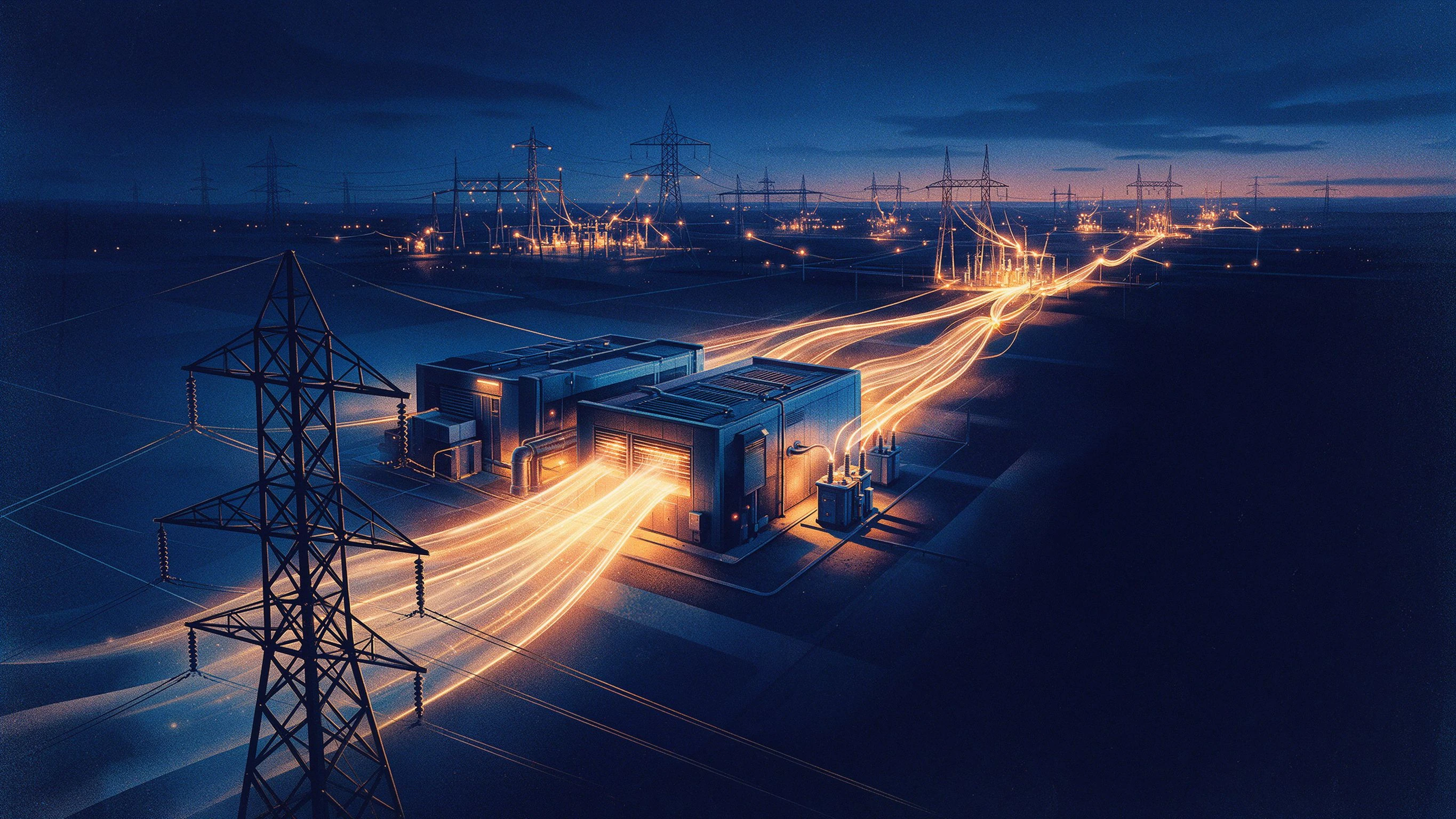
On September 16, NVIDIA, Google and Emerald AI announced the AI Energy Management Alliance (AEMA), launching with 18 member companies including frontier lab Anthropic, utility National Grid, and power producers AES and NRG. The goal is specific: get AI data centers to dynamically manage their electricity use in response to grid conditions, and reward them with faster grid interconnection.
The toolkit includes shifting compute loads, releasing stored energy, and switching on on-site generation. The alliance's headline estimate is bold: flexible data-center demand could unlock up to 100GW of capacity on existing power systems and save roughly $733 million in power-system costs per gigawatt of new AI data center. Both figures are the alliance's own estimates, not independently audited numbers.
What already exists
This is not a press-release-only coalition. NVIDIA and Emerald AI say they have already run AI power-flexibility demonstrations across five commercial data centers worldwide; the scheduling software is expected to deploy at commercial scale later in 2026 at NVIDIA's AI factory research center in Virginia.
In a Fortune op-ed, Emerald AI's founder spelled out the bargain plainly: data centers that change how they operate to support host communities should be rewarded with faster access to power.
An old playbook with new players
The historical parallel matters. Interruptible, demand-responsive loads earning faster interconnection is the case bitcoin miners made and proved in ERCOT, the Texas grid, for years. The difference now is institutional weight: the world's most valuable chip company, one of its largest cloud providers, and a row of established utilities pushing the same argument.
Grid access, not chips, is becoming the binding constraint on AI expansion. AEMA's real move is recasting data centers from passive loads that demand power around the clock into assets the grid can dispatch. The 100GW figure is the vision; five demonstration data centers are the present. The gap between them depends on how much load the scheduling software can actually hand back at commercial scale — a question only real utility bills and grid data can answer.
[1][2]