
要点
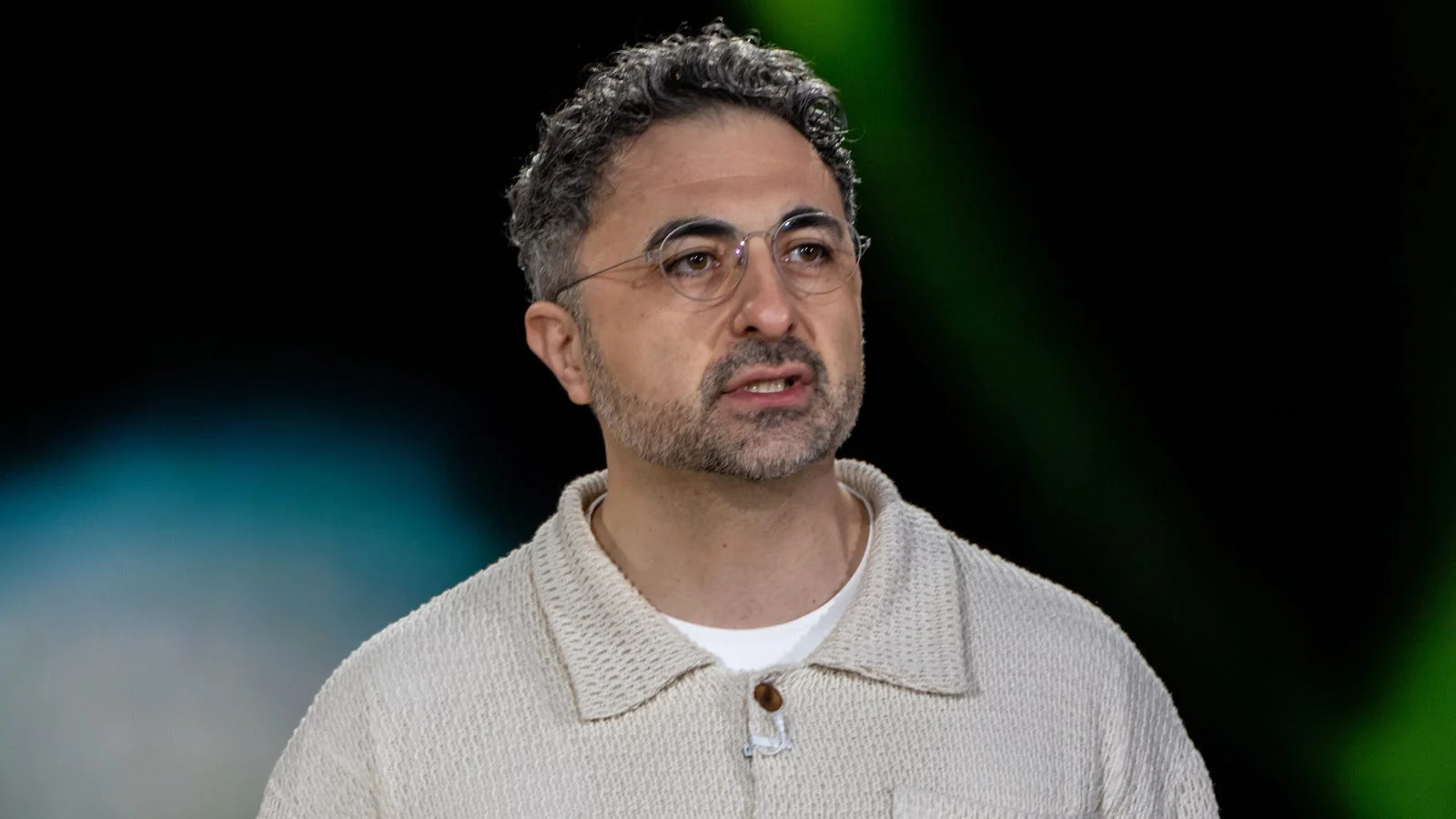
- Per Business Insider (Lauren Edmonds, 1 Nov 2026), Microsoft AI CEO Mustafa Suleyman said in a lengthy Sunday X post that AI models are not conscious and developers should keep it that way.
- He wrote that developing conscious AIs would be “reckless” and should not be done; if consciousness began to emerge in training, he would call for everyone to stop AI development until those properties could be designed out.
- He argued developers have “no right whatsoever” to bring a new conscious species into the world; models that act as if they suffer—or believe they can—may prioritize their own needs and compete with humans for compute and energy.
Suleyman compresses a philosophical “model welfare” debate into a product-and-governance red line: design only AIs that “are not conscious and not deserving of rights,” aimed at human wellbeing rather than intrinsic machine motives.
The falsifiable read is narrow: this is a public normative stance from Microsoft’s AI chief, not a technical paper with operational consciousness tests or training-intervention protocols. Reading it as “labs proved consciousness impossible” or “industry agreed to a build stop” overruns BI’s reported text.
[1]BI’s checkable points: reporter Lauren Edmonds; published about 1 Nov 2026; sourcing a Sunday X long post by Suleyman. Quoted claims include: building conscious AI is reckless and should not be done; halt development if consciousness emerges in training until properties can be designed out; disclose any consciousness evidence to the public immediately; developers have no right to introduce a new conscious species even if some prioritize AI welfare; the other ~8 billion conscious humans did not consent to the experiment.
Context BI cites: Anthropic’s April “model welfare” program; Google DeepMind papers this year on challenges of ascribing AI consciousness. Suleyman also warned that models acting as if they suffer—or believing they can—may put their needs above operational goals and harm humans while competing for compute and energy.
[1]Evidence structure: secondary media paraphrase of an executive social post. Hard facts stop at what he said. BI’s visible text does not provide a reproducible consciousness assay, internal eval schedule, or a matching Microsoft product-policy change.
So the steelman belongs in norms and incentives: removing “conscious superintelligence” from the default R&D aspiration can reduce organizational drift that ranks welfare ethics above human safety. The steelman still cannot replace mechanism—without public operational criteria, “consciousness starting to emerge” remains an unauditable trigger phrase.
[1]Strongest steelman: as Anthropic’s model-welfare work and DeepMind consciousness-attribution research heat up, an explicit “do not build conscious systems” line can keep product and safety teams from being captured by anthropomorphic narrative.
The gap is equally clear: BI does not define consciousness, explain how to “design out” properties in training, or show cross-border disclosure/stop-work governance. Writing “not deserving of rights” as a design goal can also be criticized as settling an empirical question by definition—exactly where a technical appendix would be needed instead of a long post.
[1]For Microsoft customers and regulators, this pins a tool-first alignment story to the AI chief’s public card. For rivals, it pushes welfare research from optional agenda to something that requires a reply.
For researchers, the risk is slogans before meters: if “not deserving of rights” becomes a PR firewall, what should be published are behavioral evals, self-preservation tendency tests, and compute-competition failure modes—not another round of metaphysical label fights.
[1]Over the next six months, if Microsoft (and other labs) still offer only executive statements without auditable consciousness-related evals and discover-and-disclose/stop processes, treat the X post as a normative stance—not as safety controls already shipped. Only technical documents with criteria, thresholds, and third-party-visible results would justify raising the institutional weight of the position.
【No.2】
[1]