
The Ars Technica article Big Tech claims voters' AI backlash is anti-Trump not anti-tech carries article:published_time 2026-11-04T20:55:50+00:00, which is 04:55 in Beijing on Nov. 5, before the 08:00 window, so this is backfill. The byline is Ashley Belanger. The tally here is not the one in the 404 Media piece already published. These figures come from Redbud Consulting: of 44 measures across 10 states that sought to restrict data centers, 38 had passed so far. The article says the measures included moratoriums and bans. Analysts suggested they would largely leave alone projects already under construction or approved through 2027, and would mainly affect projects planned for 2028. Only one passing measure allowed a data center to proceed. The article places it in a North Dakota city, on the condition that developers pay for an independent review and hold a public hearing when expanding or proposing a project. The 38 sits next to the words so far. It is not a closed count.
[1]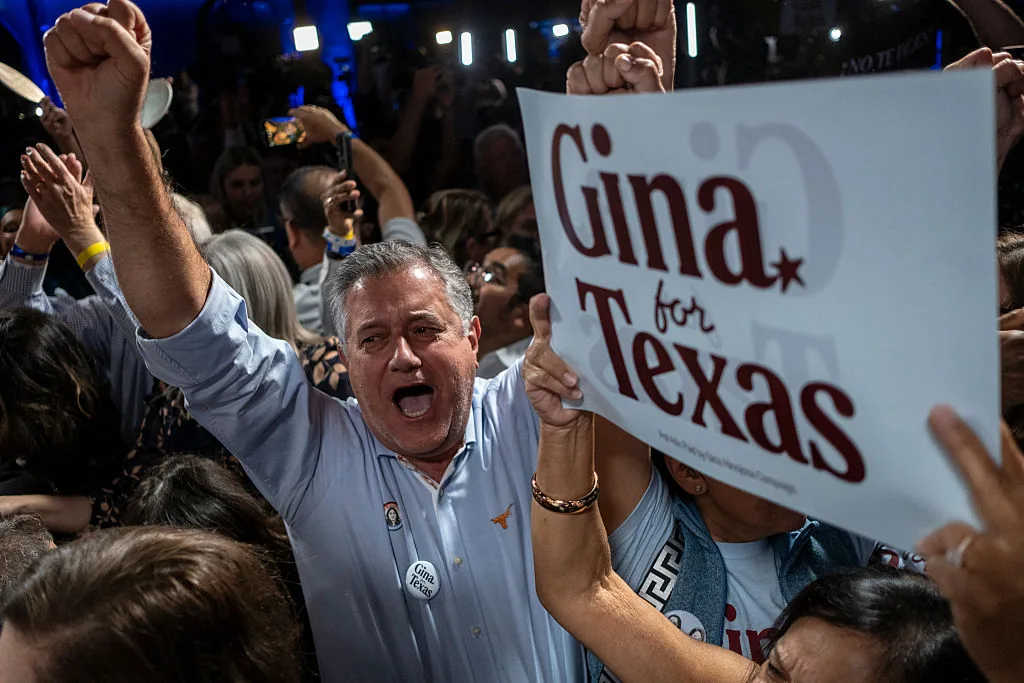
The Texas passage is citation, not a canvass by Ars. The article says Gina Hinojosa won the governor's race, that Axios had treated the race as one that would change the data-center arithmetic, and that Texas was expected to account for more than 41 percent of added data-center capacity in 2028. Bloomberg's figure, as relayed, is that about 13 gigawatts of capacity is now exposed. Gordon Johnson of GLJ Research wrote in a note that projects with power, permits, and steel keep going, while projects with power but without state environmental permits slip 12 to 18 months. The article also says Democrats won the governor's races in Arizona, Georgia, and Ohio. Axios projected that nearly two-thirds of 2028 data-center capacity could face similar delays. Bloomberg estimated that half the data centers in the United States are now more vulnerable to scrutiny. Those percentages and the gigawatt figure stay inside the reports being cited.
[1]On the industry side, the article quotes Adam Kovacevich, chief executive of Chamber of Progress and a former Google executive. He said the results offer little evidence of a voter mandate to crack down on AI or data centers, and that Democratic gubernatorial candidates who opposed data-center bans won at a higher rate than those who supported them. The article does not print that rate. The line he used is not to confuse an anti-Trump wave with an anti-tech mandate. NBC exit polls, as the article relays them, say 3 in 4 voters are opposed to data centers, and that more than half said AI and data centers were a crucial or major factor in the vote for Congress. Alejandra Montoya-Boyer, of The Leadership Conference's Center for Civil Rights and Technology, called these midterms the first true AI election in the United States and disagreed with Kovacevich's reading. The article describes a Gartner estimate that the buildout is nearly $5 trillion short of paying for itself. That is the article's paraphrase of Gartner, not a table attached at the end.
[1]Libby Cantrill, PIMCO's head of public policy, is also quoted through the article. She said that even if statewide pauses do not result, permits and other approvals will take longer, and developers will have to make more concessions. The article then says developers' costs will most likely rise at an inconvenient time, and it attributes that sentence to Bloomberg's report. The article does not answer, on its own, whether a pause will happen or how long it would last. Johnson's note leaves the question as how long the pause lasts.
[1]The piece is one report relaying several other organizations. It is not an official canvass by Ars. The 44 and the 38 cannot be added to another article's 13 states and more than 40 races and treated as one total. The North Dakota city's name is not completed in the extracted passage. Kovacevich's "higher rate" has no percentage beside it. The photograph is the Getty image used by the article, taken by Joel Angel Juarez. It shows an election-night gathering for Hinojosa, with a sign reading Gina for Texas, not Redbud's list of measures.
[1]