
The Meta news post on giving Muse a voice has article:published_time 2026-11-05T18:30:58+00:00, which is 02:30 in Beijing on Nov. 6, inside this morning window. The page also has a modified time of 2026-11-05T21:56:56+00:00, which is 05:56 in Beijing. That is a later edit and does not replace the publication clock. The post says voice and expressive avatars are rolling out in the Muse app, in the United States to start, on mobile, the web, and Mac. The control is described as a phone icon in the top-right corner. Real-time conversation was previewed at Connect 2026. This post says it is rolling out.
[1]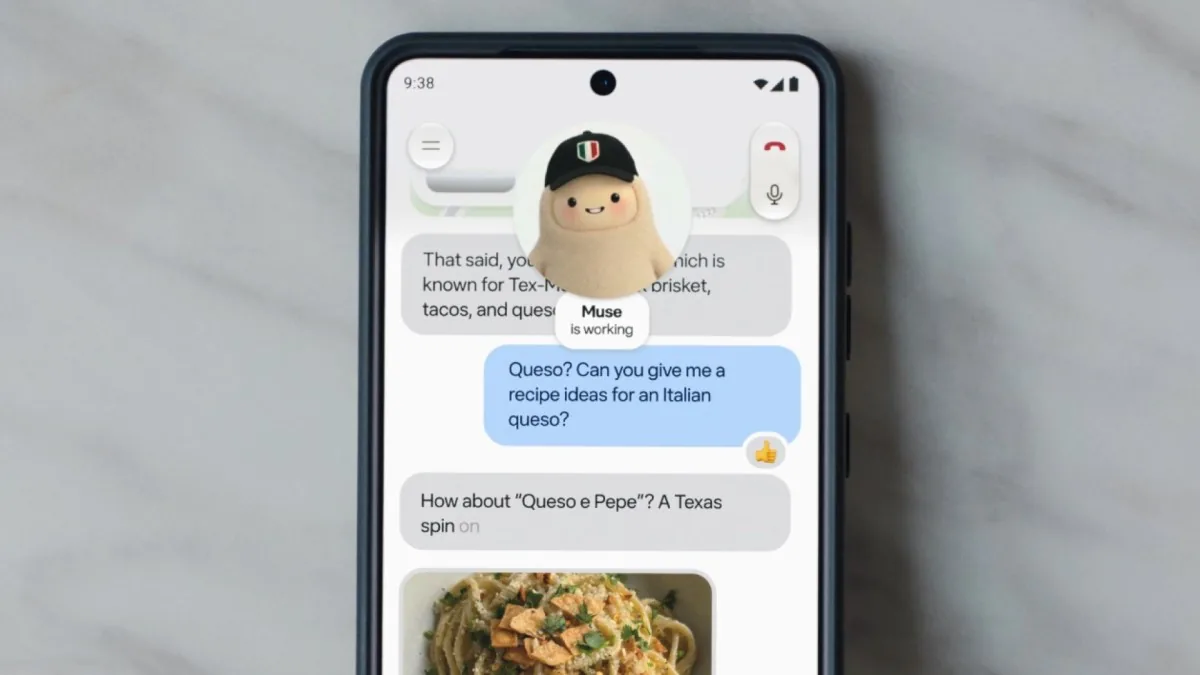
The avatar uses expressions and gestures that follow the tone of the conversation. The display can be voice only, the avatar beside the conversation, or full screen. There are hundreds of voices, and they can be changed. A person can interrupt. These are feature descriptions. The page gives no latency, no recognition error rate, and no comparison trial.
[1]The body names the technology: Muse Realtime Avatar and Muse Realtime Voice. The company says a conversation can run in real time, a response can be heard right away, and a person can interrupt. Right away is not given in milliseconds. Trip planning and interview rehearsal are uses the post suggests, not a user study. The visible date on the page is November 5, 2026, the same day as the published time above.
[1]The same section says voice conversations with Muse are coming soon to AI Glasses and Muse Charm. Coming soon is not a launch. This edition has no date for the glasses or the charm, and it does not say whether those devices start in the United States as well. The image is the post's social card, a phone conversation with an avatar labeled Muse is working. It is a product picture, not a measurement of the voice.
[1]