
This is a reference design, not a rack on sale
On October 12, Astera Labs announced Orion: a modular rack-scale reference design with production-grade connectivity that lets customers choose their own GPU and CPU. The company writes that inference customers often have to commit capacity before they know which accelerator will be available or affordable, and that tying that early spending to one platform adds cost and risk.
Orion separates the rack design from the choice of accelerator and CPU. The core is a standards-based scale-up fabric engineered to connect up to 160 accelerators per pod, with predictable low-latency communication and expanded memory capacity across racks and pods. The release also says the high-radix 320-lane PCIe switch fabric is designed to scale from 8 to 160 GPUs per pod. Higher token throughput is a design goal. The release does not give a measured tokens-per-second figure.
[1]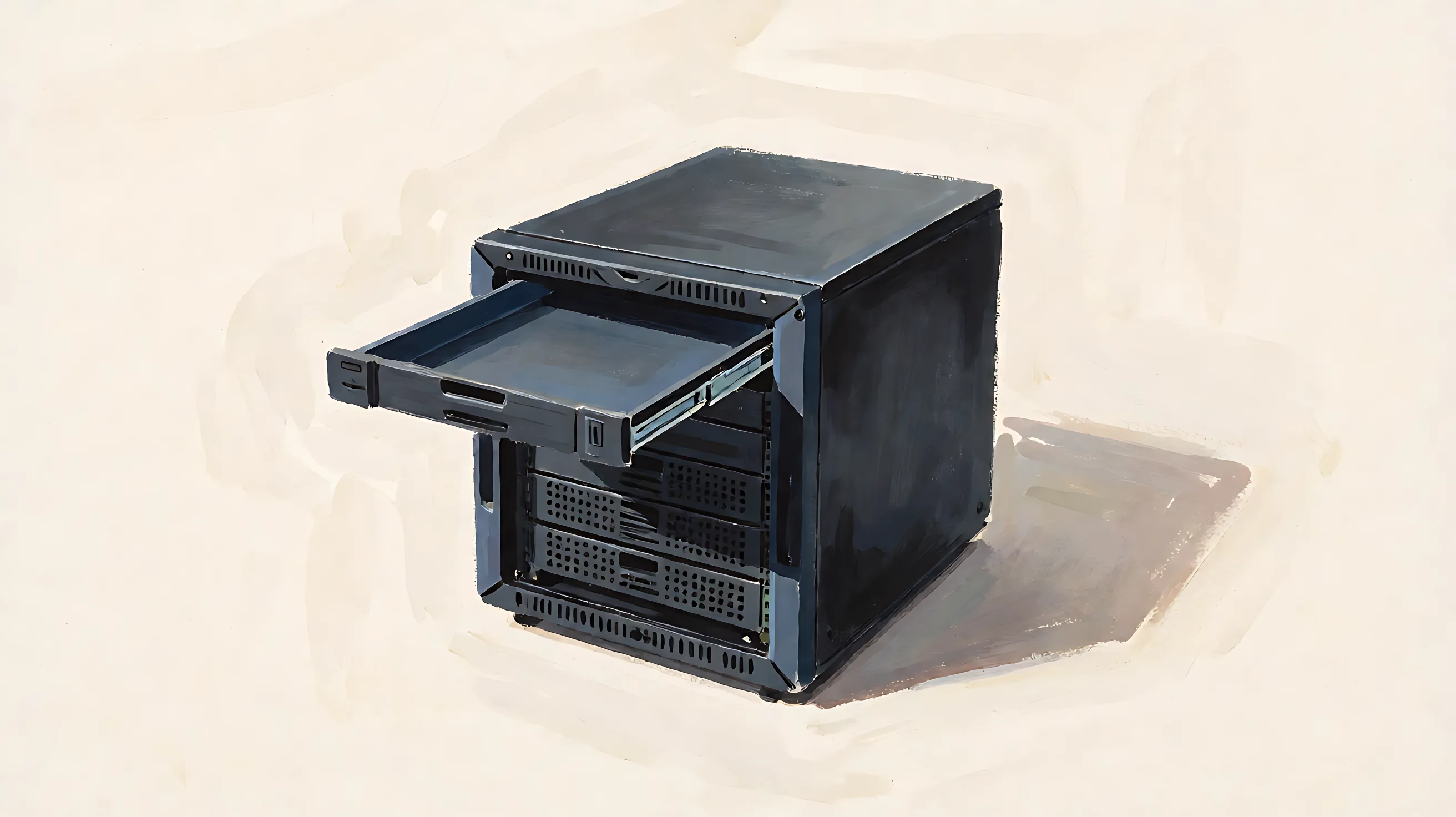
Six kinds of hardware, plus two managers
The design includes a compute tray, a fabric tray, a memory tray, a link board, and a compute board, integrated with COSMOS Rack Manager and COSMOS Fabric Manager for management, fleet-wide telemetry, diagnostics, and infrastructure information. The FAQ also names systems that can be bought separately: the Orion-CT compute tray, Orion-FT fabric tray, Orion-CB compute board, Orion-LB link board, Orion-MT memory tray, and Orion-RM, which manages the hardware and the connectivity.
Pravin Patel, vice president and general manager of the AI Platform Solutions Group, says operators are judged on the tokens they deliver per dollar, not the hardware inside their racks. That is the company's framing.
[1]Availability is the first quarter of 2027
The release says Orion rack reference and system designs are on track for availability through Astera's OEM and ODM partners beginning in the first quarter of 2027. Astera designs and validates the reference architecture and its subsystems. It does not build the complete racks. Complete racks and individual systems are expected to be manufactured, licensed, and sold through OEM and ODM partners.
From October 12 to 15, the company will show a powered Orion rack at the OCP Global Summit in San Jose, with interchangeable compute trays pre-validated for different CPU and accelerator configurations. Support for further open interconnects, including UALink, is described as a roadmap plan, not as something this design already provides.
[1]