
IT Home reported on October 4 that Tesla chief executive Elon Musk said on Saturday, on X, that robotaxis in Austin will stop at 11 p.m. instead of 10 p.m. He wrote that the core problem the team is working on is avoiding running over pets when visibility is poor at night. His example is a gray kitten running onto gray asphalt in the dark.
[1]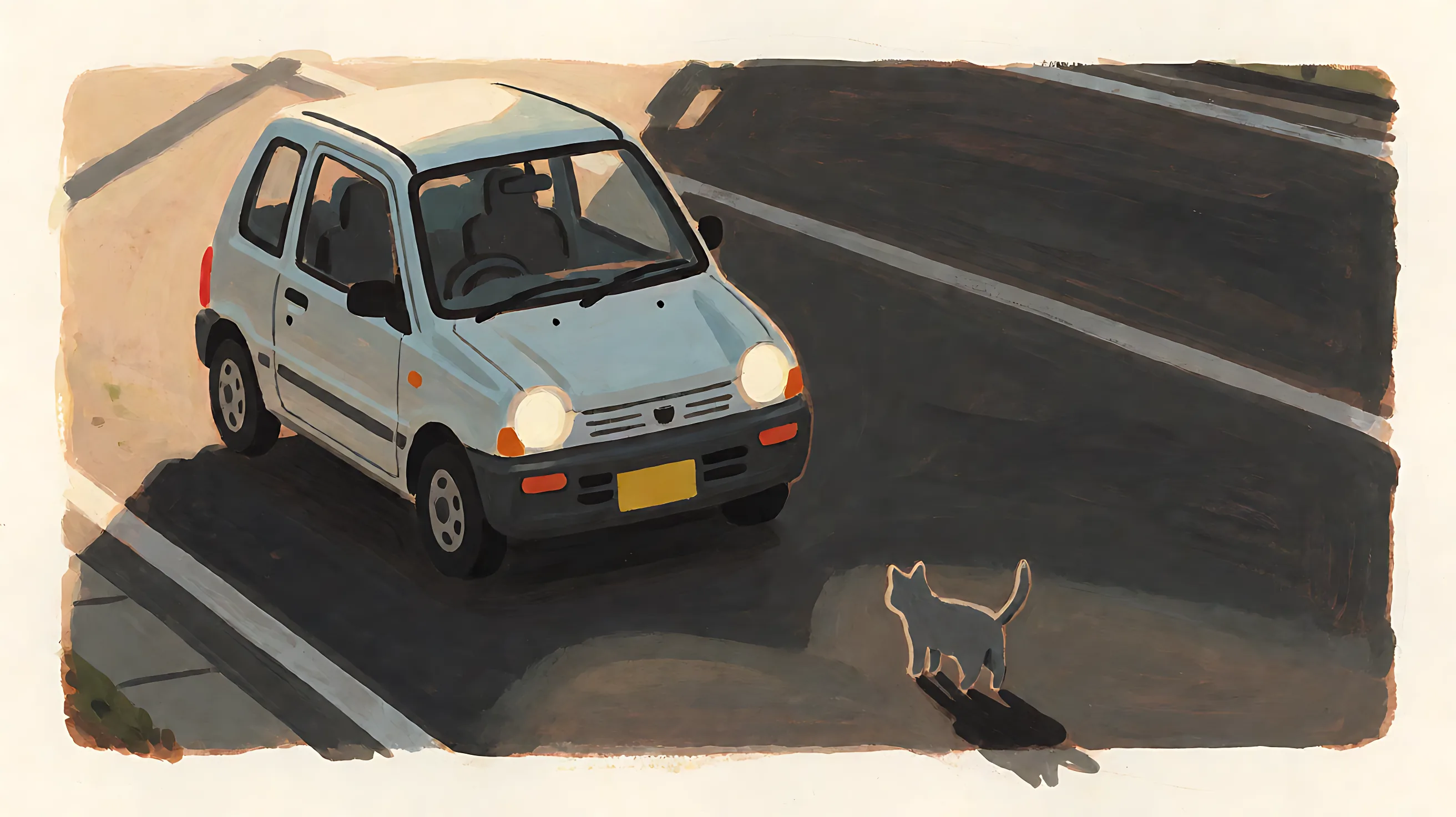
The article says Cybercab navigates with cameras and other sensors. The vehicle manual says low light limits how accurately the cameras can see, including roads at night with no streetlights or poor lighting. Replying to a comment under the post, Musk said that after AI photon-counting analysis, ordinary cameras can still recognize things well in the dark. That is his statement. The article does not give a test condition or a result.
[1]The National Highway Traffic Safety Administration is investigating whether Tesla’s FSD cameras can recognize road hazards when visibility is poor. The investigation is open. It is not a finding. The article also records two things that already happened: late one night last year a Waymo vehicle killed a 9-year-old tabby cat, and in a crash report Tesla filed with the agency, an Austin robotaxi Model Y hit a dog that ran into the road in September 2025. The dog ran off and did not appear injured.
[1]要点
- Austin robotaxis will end at 11 p.m. instead of 10. Musk says the task is to avoid running over pets at night.
- The manual says low light limits the cameras. Better night vision from photon counting is his reply, not a published test.
- NHTSA is investigating FSD cameras in poor visibility. In September 2025 an Austin Model Y hit a dog, which ran off.