
要点
- WIRED published this report at 01:17 UTC on November 13, 2026, under the byline of Paresh Dave and Zoë Schiffer. The opening sentence says some Nvidia employees are calling for Jensen Huang's return even after his multiple reported extramarital affairs and abrupt resignation, according to internal correspondence reviewed by WIRED. The headline quotes an internal comment, "Bring Back THE Boss." The dek says an internal post urging the board to consider employee sentiment has drawn more than 1,600 comments, the majority in full support of reinstalling him.
- The suggestion-box post was submitted before Huang's resignation by a longtime engineer, who asked the board to take employee sentiment into consideration before taking any action. The engineer declined to comment. One employee sent a companywide email demanding transparency into Huang's exit and wrote, "I stand by Jensen." WIRED could not reach that staffer. Anonymous comments include "If you believe in the mission, bring back THE boss," and "We are all humans and can make mistakes. Jensen did so many good things and he needs a second chance." An employee who has been at Nvidia for a couple of years and was not authorized to speak publicly told WIRED that the desire for Huang's reinstatement is, in that person's view, widespread, and said, "Nvidia is Nvidia because of Jensen."
- On the resignation itself, WIRED writes that Huang, who is 63 and had led Nvidia since its founding in 1993, wrote in a Sunday email to employees that he had been "unfaithful to [his] wife" and that there was "no excuse." That acknowledgement followed reports of an affair with a suspected Chinese intelligence asset. The board announced his resignation on Thursday morning, following reports of an alleged second affair with a direct report, meaning someone who reported to him at work. WIRED says this employee has not commented. WIRED then writes that Reuters reported an alleged affair with yet another Nvidia employee. Huang has not commented about these reports since his Sunday email, the magazine says. The board, described as largely early Nvidia investors and Huang's longtime confidants, named CFO Colette Kress interim CEO and appointed Harvey Jones, whom WIRED calls a former Synopsys CEO and an investor, as board chair.
- On the fallout, WIRED writes that the crisis has cost the company $1 trillion in market value since the allegations surfaced, prompted investigations from US lawmakers and the FBI, and raised the prospect of new export controls on chips, meaning tighter government limits on which chips can be sold abroad. It also says work inside the company has continued as usual this week, but the resignation left many employees stunned. In the hours after, about two dozen employees posted on LinkedIn in support of Huang, with one describing their faith in his leadership as unwavering. Over the same period, WIRED could not identify any posts from Nvidia employees in support of his resignation. Nvidia and Harvey Jones did not immediately respond to requests for comment. The suggestion-box post asked the board to share its findings with employees and formally solicit their sentiment "about Jensen's continuing as our CEO." WIRED says Huang left just as the inquiry had begun.
WIRED reported on November 13, 2026, that some Nvidia employees are asking the board to bring back founder and former chief executive Jensen Huang after his resignation. The magazine says it reviewed internal correspondence, including a pre-resignation suggestion-box post that has since drawn more than 1,600 comments. What can be checked is the scale of that internal campaign, and the fact that the board has already announced a resignation and named interim leaders. That record does not show that the inquiry is finished, or that Huang has been reinstated.
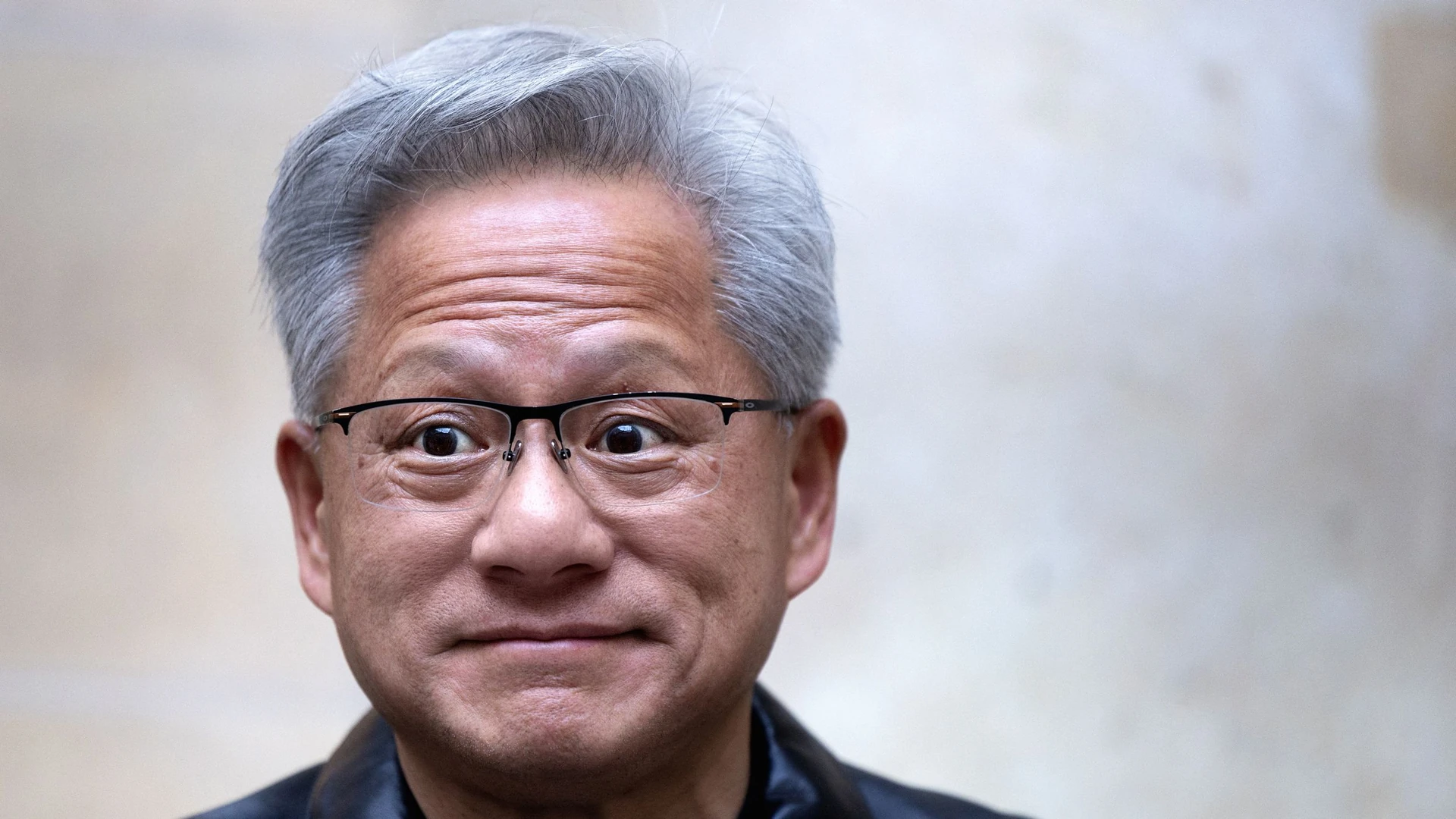
[1]The news in this piece is not another recap of the affair allegations. It is the internal reaction after the resignation. Before Huang left, a longtime engineer posted in Nvidia's suggestion box asking the board to consider employee sentiment before taking any action, to share its findings with staff, and to formally solicit their views "about Jensen's continuing as our CEO." The post has since attracted more than 1,600 comments. WIRED's dek says a majority fully support reinstalling him. Anonymous comments include "If you believe in the mission, bring back THE boss," and "We are all humans and can make mistakes. Jensen did so many good things and he needs a second chance." One employee also sent a companywide email demanding transparency and wrote: "I stand by Jensen. Not because I believe any person is infallible, but because I refuse to believe that standing for fairness must mean standing at a distance from someone whose leadership has meant so much to us." The engineer behind the post declined to comment. WIRED could not reach the author of the companywide email.
[1]On why Huang left, the report gives a company timeline that can be checked against later official statements. It is not a completed investigative file. WIRED writes that Huang, 63, had led Nvidia since its founding in 1993. In a Sunday email to employees, he wrote that he had been "unfaithful to [his] wife" and that there was "no excuse." That acknowledgement, WIRED says, followed reports of an affair with a suspected Chinese intelligence asset. The board announced his resignation on Thursday morning after reports of an alleged second affair with a direct report, meaning someone who reported to him at work. WIRED says this employee has not commented on the matter. The magazine then writes that Reuters reported an alleged affair with yet another Nvidia employee. Huang has not commented about these reports since the Sunday email, WIRED says. The board named CFO Colette Kress interim CEO and appointed Harvey Jones, described by WIRED as a former Synopsys CEO and an investor, as chair. Nvidia and Jones did not immediately respond to requests for comment. On the wider impact, WIRED writes that the crisis has cost the company $1 trillion in market value since the allegations surfaced, prompted investigations from US lawmakers and the FBI, and raised the prospect of new export controls on chips. Those figures and case developments are WIRED's reporting. This piece could not open the related Reuters.com articles, did not independently check the market-value window, and did not see public case filings.
[1]The report does not say the board has decided to bring Huang back, and it does not present finished inquiry findings. It says he left just as the inquiry had begun, and that staff want to know why. The core ask in the suggestion-box post has not, in this article, been shown to have been answered: share the findings with employees and formally ask for their views. The 1,600-plus comments and the claim that a majority fully support reinstatement come from WIRED's account of an internal thread that readers cannot open for themselves. The current employee who spoke to the magazine was not authorized to speak publicly and described a perceived mood, not a vote count. The roughly two dozen supportive LinkedIn posts are a public trace, but WIRED's inability to find staff posts supporting the resignation only means the magazine did not find them in that window. It does not prove that no one inside the company supports the change. The second and third alleged relationships are reported as allegations or as a Reuters account relayed by WIRED, and one of the employees named has not commented. To write that the petition has already changed the board's decision, or that the $1 trillion figure and the investigations have been independently confirmed here, goes beyond what this WIRED article shows.
[1]There is a fair case from the employees' side. Nvidia has long been a founder-led chip company. For engineers who built their work under Huang, replacing him before inquiry findings are shared can look like a rush that risks the company's product judgment. Asking the board to publish results and formally solicit sentiment is a governance request, not only personal loyalty. The LinkedIn posts in the hours after the resignation, and WIRED's report that it found no staff posts supporting the resignation in that period, give that worry some public texture. Even so, bringing him back would not, by itself, settle the other questions the same article raises: whether the affair and intelligence-risk claims hold, how the market-value loss was counted, and whether new export controls appear. Nvidia supplies chips that much of the current AI buildout depends on. A leadership change at the company matters for chip buyers and for the labs that rent those chips. Those questions will be answered in public records from the board, from investigators, and from the market, not in the volume of an internal comment thread.
[1]Over the next six months, the tests are whether the board shares inquiry findings and formally solicits employee sentiment, as the suggestion-box post asked; whether Colette Kress remains interim CEO or a permanent successor is named; and whether the lawmaker and FBI investigations, and the export-control risk WIRED described, turn into public actions that can be checked. A 1,600-plus-comment internal post can be checked as WIRED reported it. It is not evidence that the founder is about to return, or that the risks around his exit have closed.
【No.2】
[1]