
The IT Home page is stamped 2026/10/21 15:21:52. The judgment first: a first high-performance computing and AI test on the lunar surface is still a claim made before departure. The uncrewed mission is planned for later this year. This page does not say it has left the ground. What the AI will do is written as not yet announced.
[1]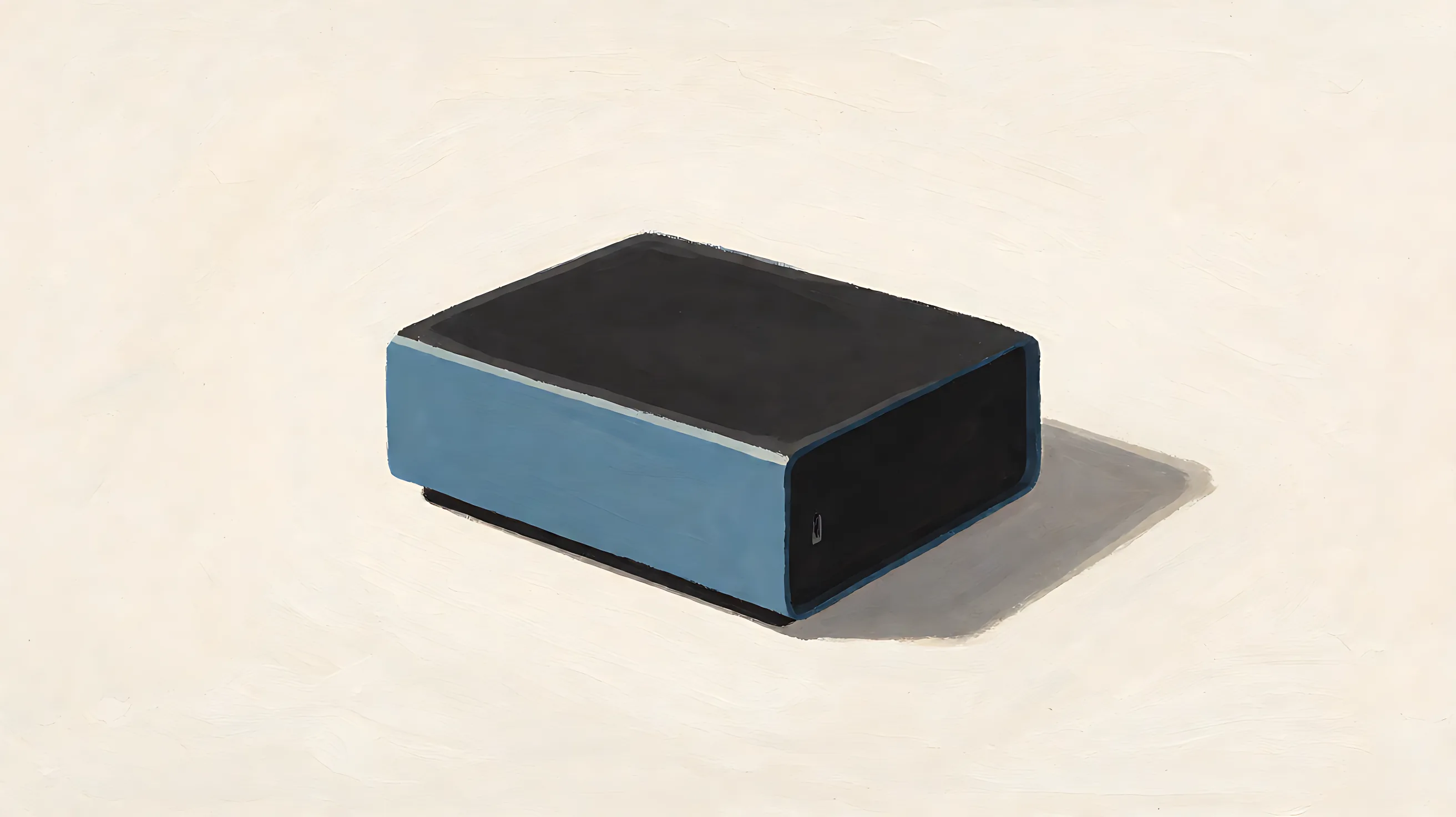
Astrolab plans to send the uncrewed rover FLIP to the lunar south pole on Griffin Mission 1. The rover carries HPE's Spaceborne Computer-4. Founder and chief executive Jaret Matthews said at a media event at company headquarters on October 14, local time, that later this year they would send HPE's first supercomputer to the Moon, deploy a GPU there for the first time, and run the first AI experiments. The word first comes from that event. It is not a record written after the mission returned.
[1]The machine is described as light, compact, independently packaged, and fanless. It uses a low-power 64-bit CPU with a GPU, ties into the rover's cooling, draws power from the rover's batteries and solar cells, and stores data on a Kioxia solid-state drive. The case is thermally conductive aluminum, designed for the lunar south pole. Extreme temperatures were tested during development. This launch is meant to show that the equipment can work steadily on the real lunar surface. Steady work is still the goal.
[1]The design requirement is a full year of continuous work on the surface, including lunar night. The page says darkness can last up to 150 hours, with no energy or heat from the sun. When astronauts are absent, the rover needs to run semi-autonomously for a long time. The page's target is hundreds of kilometers and months of work. Those are design figures, not a distance already driven.
[1]If all goes well, the computer will also analyze visual data from the mission, make autonomous observations, and handle navigation, mapping, and terrain. AI capability will be tested, but the specific uses are not yet published. HPE's statement only says that an AI service container will verify whether scalable AI services can be deployed reliably on the Moon. Verifying a deployment is not the same as publishing a list of experiments.
[1]Matthews also said the spaceborne computer will run localization software from the Jet Propulsion Laboratory. The algorithm has been used on Mars. This would be its first trip to the Moon. Neither the Moon nor Mars has a satellite positioning signal. The algorithm reads a map stored in memory and matches it to the surrounding terrain, to fix position and avoid craters. The page calls it a machine-learning algorithm. Use on Mars is not a completed match on the Moon.
[1]