
On October 20, 2026, at 1:40 p.m. Pacific time, TechCrunch published Tim Fernholz and Kirsten Korosec on SpaceX's quarter. The article says the company's data centers and Grok agents were more profitable than investors expected, and that artificial intelligence now makes up 52 percent of income. The photograph is the one used in the article. The page credits it to SpaceX AI.
[1]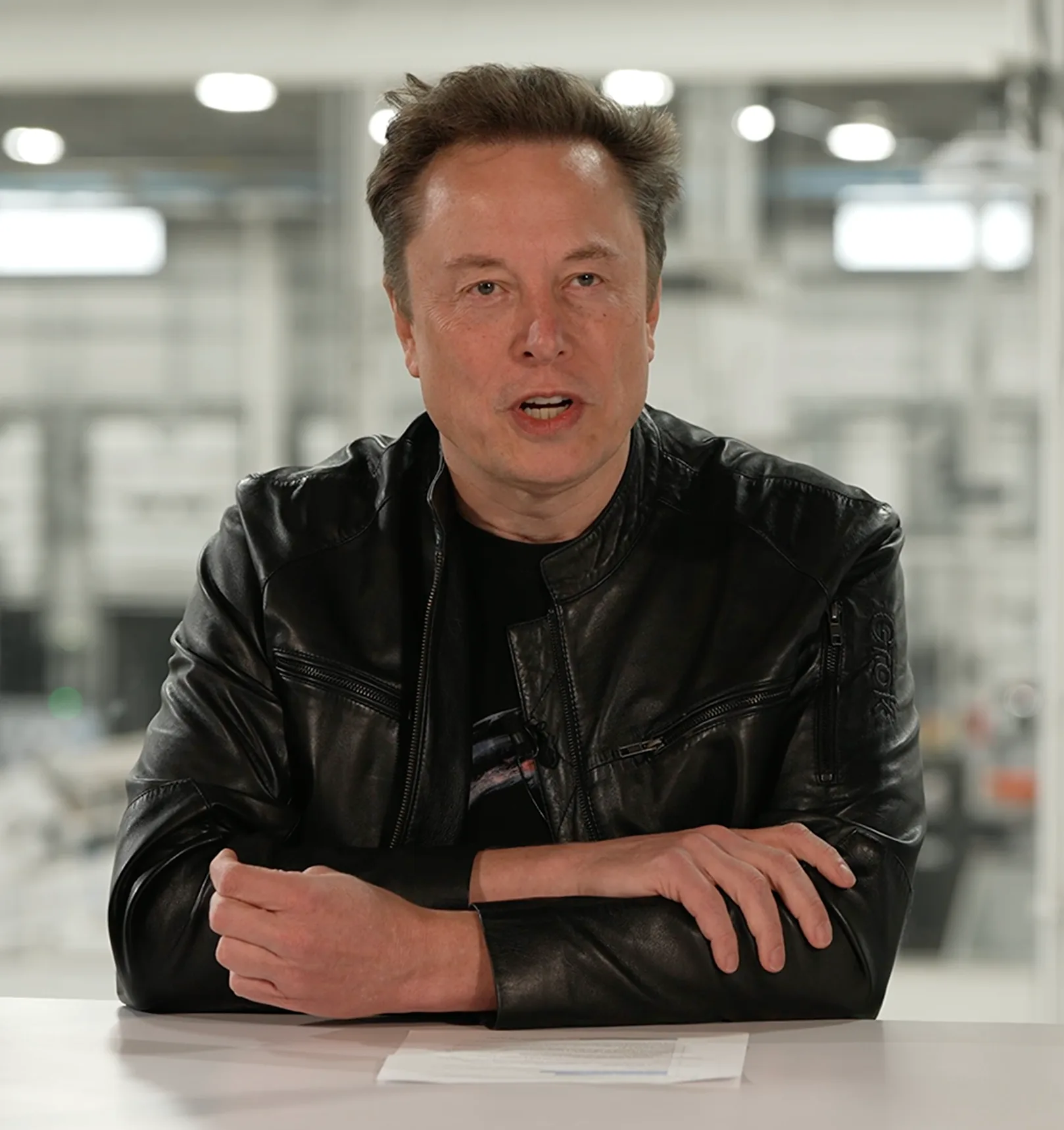
Citing a regulatory filing, the article says third-quarter revenue was $14.6 billion. The renamed Super Intelligence line produced $7.5 billion from the recently acquired Cursor coding tool, the Grok bot, and a neocloud business that now has 1.7 gigawatts of compute. Profit from the AI business was $431 million. The article says that profit would have been higher without $1.2 billion of one-time stock-based compensation tied to the Cursor acquisition. About $1 billion of income came from a recovery in Bitcoin prices and from unspecified related-party income. The article does not name the company behind that related-party line.
[1]Capital expenditure was $19.6 billion. The article says SpaceX is building a second data-center project, Colossus II, and is spending more on Starship. Chief financial officer Bret Johnsen said new capital investment in the fourth quarter would be $35 billion to $40 billion. In a livestream with investors, Musk said he was spending four days a week in Memphis, Tennessee, where Colossus II sits, working to bring the data center online. He argued that the constraint on deploying super intelligence is more in power, cooling, and infrastructure than in chips. That is his argument on the call. The article also says he gave an example: makers of turbines for data centers face 12- to 18-month delays for the metals in blades and vanes, and SpaceX is using its own metal-casting capacity to obtain those parts sooner.
[1]On profit, the article says net income was $4.4 billion, against a $1 billion loss in the same quarter last year. For the first nine months, the company still had a net loss of $413 million. Starlink reached 13.6 million consumer subscribers. Those are figures the article ties to the filing or the livestream.
[1]Forecasts sit apart from those results. Musk said annual recurring revenue by the end of 2027 would be somewhere between $500 billion and $1 trillion. That is his prediction, not revenue already booked. Johnsen's forecast for total revenue in the first quarter of 2027 is $33 billion to $37 billion. The article says it is a developing story and that TechCrunch will update it. A separate social-media post uses different revenue figures. Those figures are not folded in here.
[1]