
要点
- WIRED reported that after Nvidia's board reinstated Jensen Huang as CEO, he received a 'hero's welcome' on Monday from employees who were present at headquarters, with chants, applause and hugs. Other current and former staff had seen his abrupt exit earlier in the month as a rare chance to change the 'one team' culture. Most spoke anonymously because they feared backlash from colleagues.
- Some employees were alarmed by Huang's alleged extramarital affairs, including one with a subordinate and another with a suspected Chinese intelligence asset. Current and former workers also told WIRED that allegedly abusive behavior had been tolerated and that challenging leadership was perceived as discouraged. Nvidia did not immediately respond to a request for comment.
- US president Donald Trump said he played a key role in convincing the board to bring Huang back. A person close to Trump called him an irreplaceable CEO and said they expect him to exercise better judgment going forward. The board said it will continue an independent investigation into whether Huang had been a target of foreign intelligence services, and that it will step up corporate governance.
- A public petition, Stand With Jensen, had more than 10,000 signatures from 'purported' Nvidia employees, according to its website. A person familiar with the workforce told WIRED that Nvidia has roughly 49,000 employees and 18,000 contractors. Inside the company, one employee told colleagues that some signatures appeared illegitimate, and that the names included 'Satan' and media personality Mia Khalifa, who does not work at Nvidia. The employee wrote that they found 75 suspicious names in an hour of checking. WIRED was unable to independently verify those findings. The petition's organisers did not respond to requests for comment.
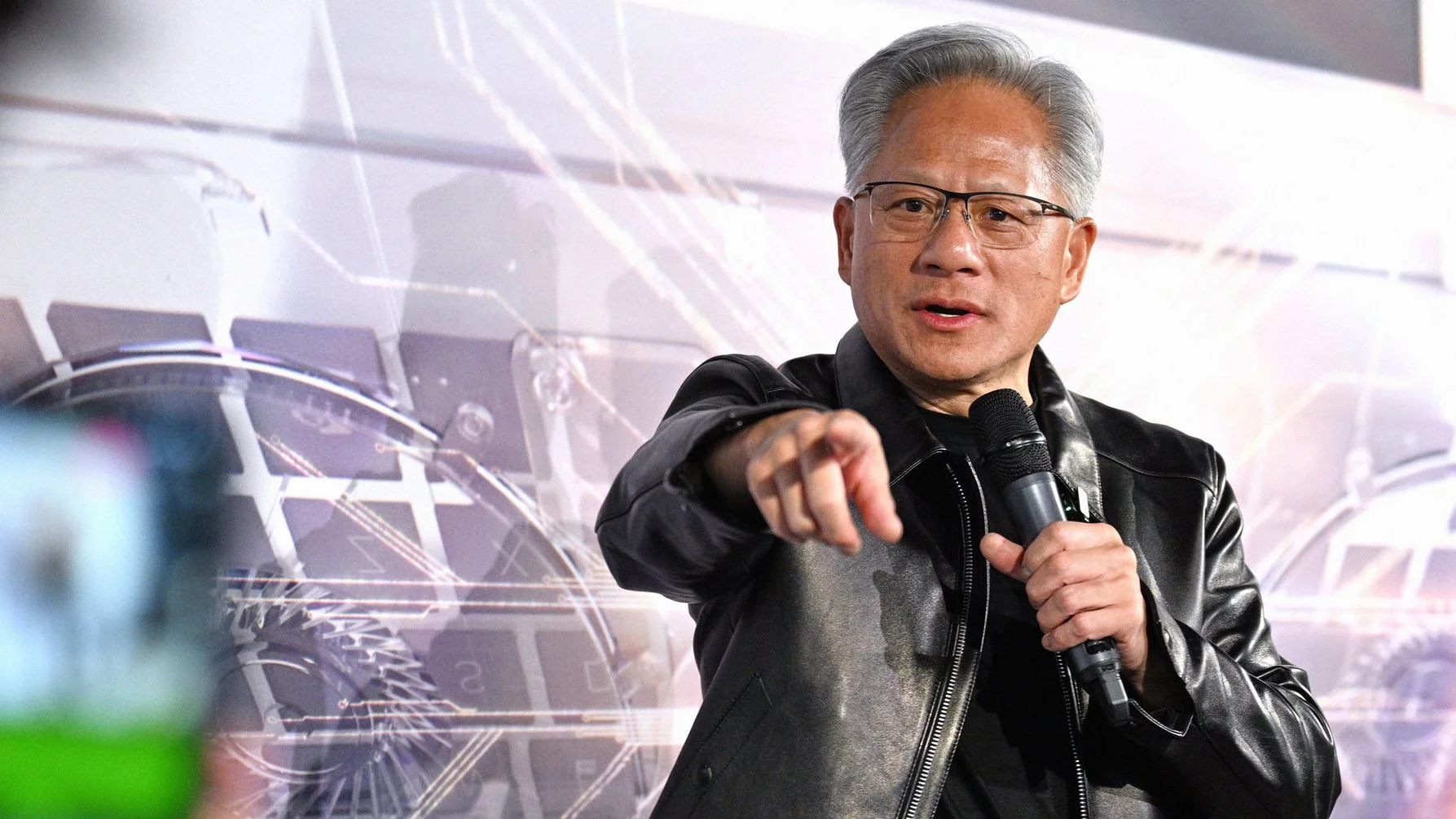
On 23 November 2026, WIRED published 'Inside Nvidia, Not Everyone Is Celebrating Jensen Huang's Return'. The article said that after Nvidia's board reinstated Huang as CEO, he received a 'hero's welcome' on Monday from some employees who were present at the company's California headquarters. At the same time, other current and former staff had seen his abrupt exit earlier in the month as a rare chance to change the 'one team' culture he had built over three decades, a culture of tight unity and as little bureaucracy as possible. The question here is not how loud the welcome was. It is that the board brought him back while an investigation was still running, and that the company still has no reliable way to measure how large the opposition is. The WIRED article was read in full here.
[1]Drawing on interviews, internal messages and social media posts, WIRED reported that the welcome was real, and that the discontent was also real, only quieter. Most of the people who spoke asked not to be named, because they feared backlash from colleagues. Some employees were alarmed by Huang's alleged extramarital affairs, including one with a subordinate and another with a suspected Chinese intelligence asset. Their frustration went beyond his personal conduct. Current and former workers described a workplace in which allegedly abusive behavior had been tolerated, and in which challenging leadership was seen as discouraged. Before Huang returned, one employee wrote on an internal platform: 'Everyone agrees that mistakes were made, the question is what we are ready to forgive.' The same employee wrote: 'I don't know how comfortable I'll be working at a place where such affairs are not taken extremely seriously.' Another added: 'If Jensen comes back, I'm not doing any HR trainings ever again.' Nvidia did not immediately respond to a request for comment. When Huang came back to the office, he told the employees who greeted him that he would do a better job with his second chance as CEO. As of Monday afternoon, he had not yet sent a companywide note. WIRED reported that he was still setting up his laptop. US president Donald Trump said he played a key role in convincing the board to bring Huang back. A person close to Trump called him an irreplaceable CEO and said they expect him to exercise better judgment going forward. The board said it will continue an independent investigation into whether Huang had been a target of foreign intelligence services, and that it will step up corporate governance. The inquiry had not finished. The person was already back in the job. That sequence is the clearest, and the easiest to check, in the article.
[1]How large the opposition is remains hard to measure. WIRED wrote that the company's long emphasis on unity has made it difficult for people to question leadership in public. The chipmaker's official website states: 'There's only one team at Nvidia.' A public petition, Stand With Jensen, had more than 10,000 signatures from 'purported' Nvidia employees, according to its website. A person familiar with the workforce told WIRED that the company has roughly 49,000 employees and 18,000 contractors. Even if one takes the petition website at its word, 10,000 signatures are not the whole staff. Inside the company, one employee told colleagues that some of the signatures appeared illegitimate, and that the names included 'Satan' and media personality Mia Khalifa, who does not work at Nvidia. The employee wrote that they found 75 suspicious names in an hour of checking. WIRED said it was unable to independently verify those findings. The petition's organisers did not respond to requests for comment. The petition cannot, on this record, be treated as a checked vote of the workforce. Supporters praised Huang for making the company feel like a 'big super family', for cutting bureaucracy, for being available to staff, and for supporting employees in hard periods, including the Covid pandemic. A former employee who attended many meetings with Huang and other senior executives said he was especially good at stopping fights between departments, and could detect 'politics and nonsense before it was even born'. Money supplies another reason for loyalty. His bets on chips and software for artificial intelligence turned Nvidia into one of the world's most valuable companies and made many longtime employees wealthy. Jason Sequeira, a longtime engineering leader at Nvidia, wrote on LinkedIn last week that he weighed arguments from both sides and could not decide whether he wanted Huang back. 'Some believe his contributions to Nvidia and the industry are so extraordinary that he deserves another chance,' Sequeira wrote. 'Others argue that making exceptions for powerful leaders sets a dangerous precedent. … I don't have a clear answer.' That is one of the few on-the-record comments in the article from a current or long-serving employee. The conclusion is uncertainty, not a team picked.
[1]The article also describes management style and family appointments. Those details should be labelled by how strong the evidence is. Several current and former workers said Huang's manner could come off as overly harsh, including toward longtime colleagues he saw as having grown complacent as the company's market value surged. Two former employees said he regularly raised his voice at workers, sometimes in ways they found belittling. Other employees were more concerned about whether the board would hold Huang to account for allegedly misleading the directors about his affairs. 'That's something we can't have,' one employee said. The alleged lack of candour with the directors remains an allegation, not a published finding of the investigation. Another source of frustration, WIRED reported, has been the senior titles held by Huang's two children and his son-in-law. In March, his daughter, Madison Huang, scolded a colleague on a call with about 100 other employees, according to a participant who did not think the anger was warranted. In response to a question about workshops on OpenClaw technology planned for an upcoming Nvidia conference, the participant recalled her saying: 'I'm disappointed you asked that. Are you fucking stupid?' And then: 'Your mom can build a claw.' That is one participant's recollection. Madison and her brother, Spencer Huang, did not immediately respond to requests for comment. Praveen Mhapsekar, a senior system software engineer who left the company last week after disputes with his managers and HR, spoke on the record. He said he and colleagues had stopped feeling comfortable complaining about practices that concerned them, because of the trouble they believed it brought on themselves. 'This organization requires greater discipline and structured processes,' he said. One of the world's most valuable companies, he added, 'cannot be managed like a private startup operating out of a garage, where personal influence takes precedence over established procedures.' WIRED itself said it is difficult to gauge how widespread dissatisfaction with Huang's leadership may be. Anonymous interviews, internal posts and an unverified petition can show that a split exists. They cannot show which side is the majority. Additional reporting was by Lauren Goode and Hugo Lowell.
[1]A fair reading of the people who wanted him back, and of the board that made the decision, is available. The chants and hugs among those who were present are facts in the article, not atmosphere added later. Huang built a company that made many employees wealthy and long kept internal process light. For some people, that is a reason to offer a second chance. Sequeira's publicly stated hesitation is itself evidence that the arguments do not run in only one direction. A board under political pressure, looking at a petition that appeared to show mass support, could have concluded that leaving the job empty was also a risk. Trump publicly claimed credit for the return. A person close to him called Huang irreplaceable. Those remarks cannot be written off as if they had nothing to do with how the company is governed. The fair reading stops there. The investigation had not finished. Stronger governance was still an announcement. The senior family titles, and the recounted conference call, were not covered by a published finding. In a culture that says there is only one team, opposition is harder to count in public. Treating the return as the shared will of the staff goes beyond the evidence.
[1]Three things can be checked in the next six months. First, whether the independent investigation into whether Huang was a target of foreign intelligence services publishes its findings, and whether those findings address the allegation that he was less than candid with the directors. Second, whether the board's promise to step up governance becomes a set of rules that also apply to the CEO and to family members in senior jobs, rather than remaining a statement. Third, whether employees can raise objections without having to stay anonymous, and whether a companywide written account and a checkable HR process appear. The checkable claim is narrower than the welcome. The board restored a founder-CEO while an inquiry was still running. The 10,000 petition signatures were not independently verified. The 'one team' culture makes the size of the opposition harder to measure. That is a contested reinstatement, not proof that opposition has vanished, and not proof that opposition has been shown to be the majority.
【No.2】
[1]